banner-Sealing Machine

RARBON Sealing Machine – Trusted Packaging Equipment for Every Industry

Discover precision-engineered sealing machines designed to streamline your packaging process, reduce waste, and enhance product freshness. From small businesses to large-scale manufacturing, RARBON delivers durability and performance.

PRODUCTS

Our Sealing Machine Product Lineup

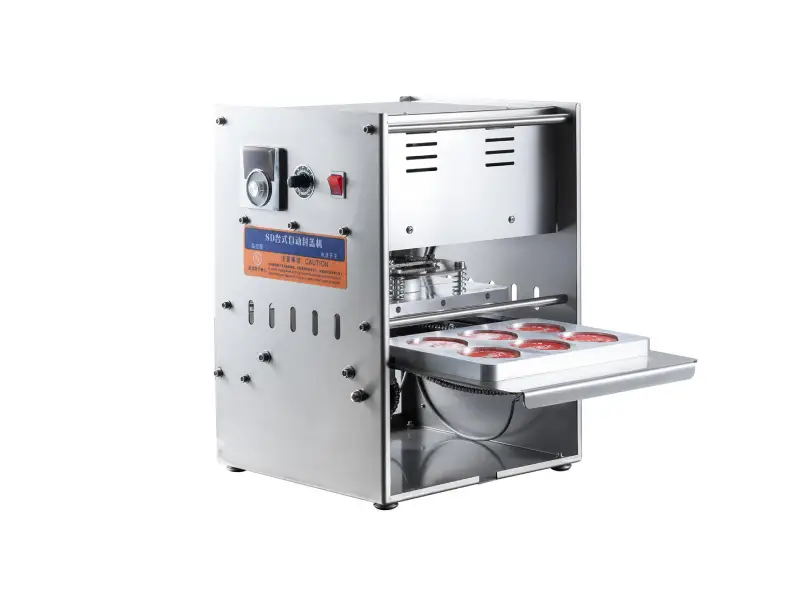
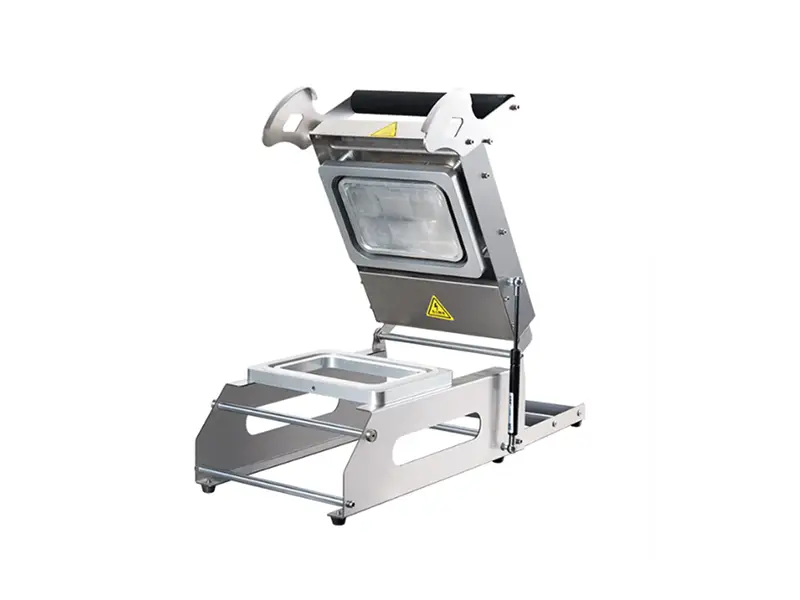
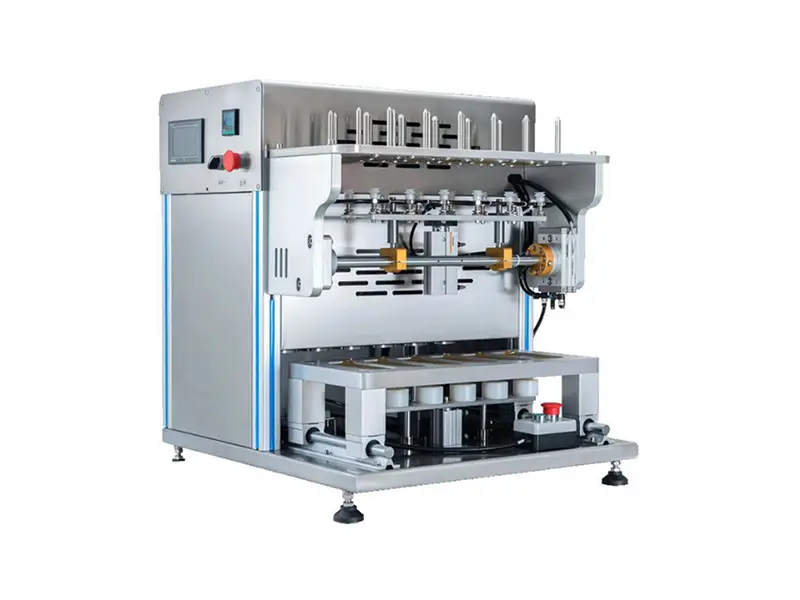
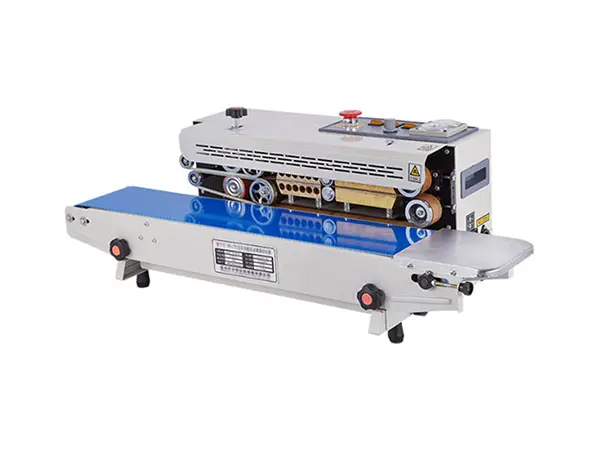
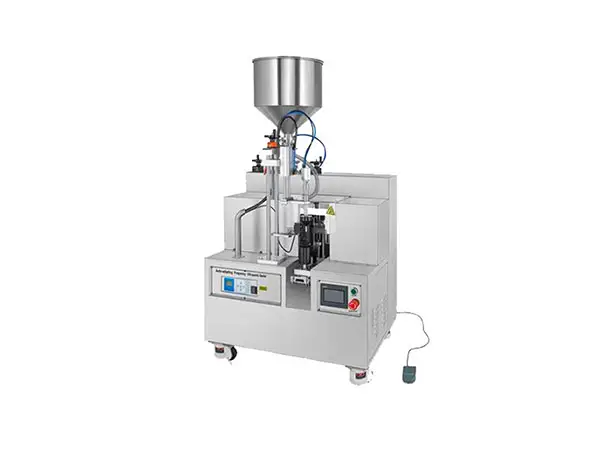
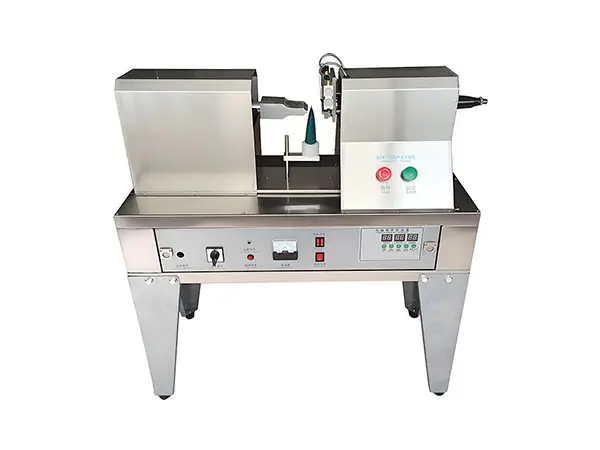
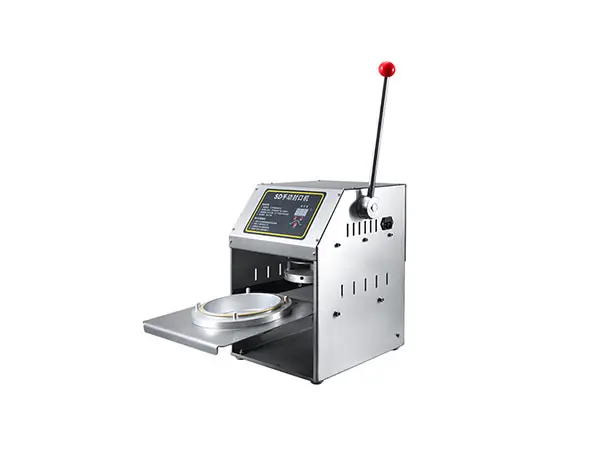
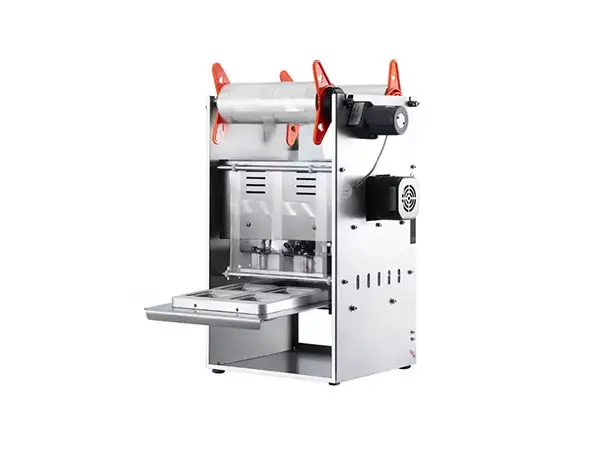
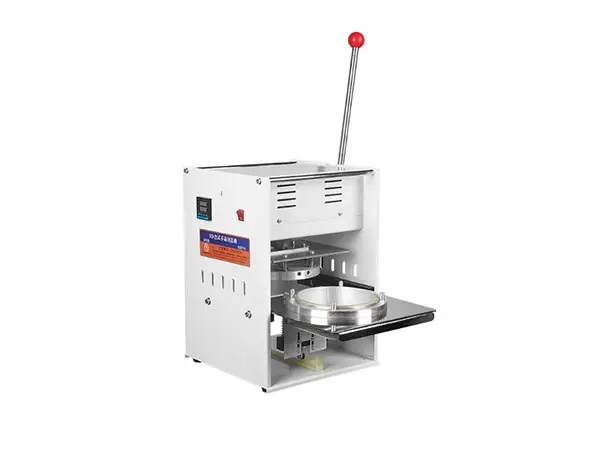
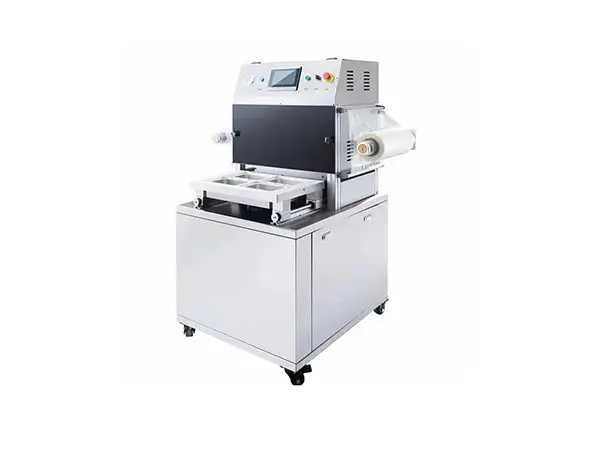
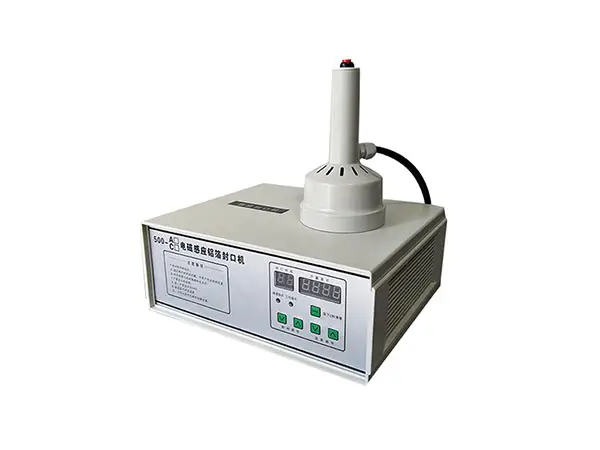
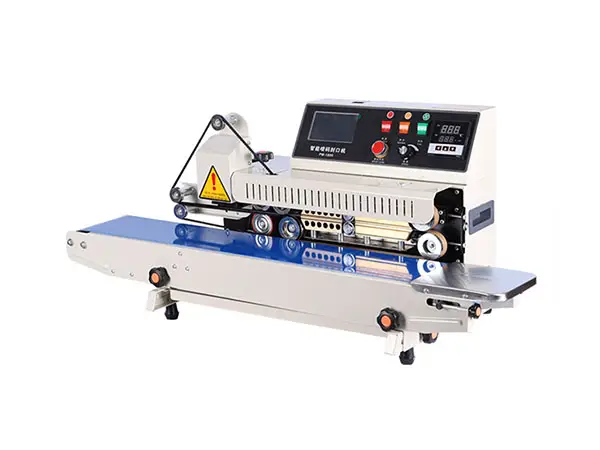
Browse our comprehensive range of sealing machines, each tailored to specific packaging needs. Models include Induction sealer,continuous band sealer,tube sealer,cup&tray sealer etc.All built with robust materials and advanced heating technology.
Rectangle
Features

Sealing Machines Features

High-quality sealing machines combine precision, reliability, flexibility, and automation to ensure secure packaging and efficient production.

High Sealing Integrity and Leak Protection

Modern sealing machines are designed to create strong, uniform seals that effectively prevent leakage, contamination, and product spoilage. Whether the machine is used for bottles, cups, trays, or pouches, stable sealing pressure and controlled temperature ensure consistent sealing quality across high-volume production.

Precise Temperature and Pressure Control

Advanced sealing systems allow operators to accurately control sealing temperature, pressure, and dwell time. This level of precision helps manufacturers adapt to different packaging materials such as plastic, aluminum foil, laminated films, and composite containers, ensuring optimal sealing strength without damaging packaging.

Wide Packaging Compatibility

A well-designed sealing machine can support multiple packaging formats, including plastic bottles, glass containers with foil seals, food trays, vacuum bags, and pre-formed pouches. This flexibility enables manufacturers to use one machine across different product lines, reducing equipment investment costs.

Fast and Efficient Production Performance

High-speed sealing machines are engineered for continuous operation in automated production lines. With stable heating systems, synchronized conveyors, and automatic feeding mechanisms, these machines help manufacturers increase output while maintaining consistent sealing quality.

User-Friendly Control System

Modern sealing machines are equipped with intuitive touchscreen interfaces and PLC control systems. Operators can easily adjust sealing parameters, store production recipes, and monitor machine status in real time, which reduces training requirements and improves production efficiency.

Durable Industrial Construction

Sealing machines are typically built with stainless steel frames and high-quality components to ensure long-term durability in demanding industrial environments. Corrosion resistance and structural stability allow continuous operation in food-grade and pharmaceutical applications.

Energy-Efficient Operation

Advanced heating systems and optimized control algorithms help reduce energy consumption during operation. Intelligent temperature regulation ensures that energy is only used when necessary, helping manufacturers lower operational costs and support sustainable production goals.

Easy Maintenance and Hygienic Design

Sealing machines are designed with maintenance efficiency in mind. Modular components, easy-access structures, and smooth surfaces simplify cleaning and reduce downtime. This is especially important in industries with strict hygiene standards such as food and pharmaceuticals.

Safety Protection Systems

To ensure operator safety and equipment reliability, sealing machines are equipped with protective features such as over-temperature protection, emergency stop functions, and automatic fault detection systems. These features help prevent accidents and maintain stable production.

Integration with Automated Packaging Lines

Sealing machines can be seamlessly integrated into fully automated packaging systems, working alongside filling, labeling, and cartoning equipment. This integration improves production efficiency, reduces labor dependency, and ensures consistent product handling throughout the entire packaging process.

Adjustable and Flexible Operation Settings

Manufacturers can adjust sealing parameters such as temperature, speed, and pressure according to different product requirements. This flexibility allows quick changeovers between production batches and supports multi-product manufacturing environments.

How to Choose

How to Choose the Right Sealing Machine for Your Business

Selecting the ideal sealing machine depends on several factors: production volume, bag material, seal strength requirements, and budget. RARBON provides a decision framework to help you make an informed choice.

The most important factor in choosing a sealing machine is daily output capacity. Different production scales require different levels of automation:
For low-volume production (below 500 bags per day), a manual impulse sealing machine is often the most practical choice because it offers low cost, simple operation, and reliable sealing performance for small-scale packaging tasks.
For medium-scale production (500–5,000 bags per day), a semi-automatic continuous band sealing machine becomes more suitable. It significantly improves packaging speed while maintaining stable sealing quality, making it ideal for growing businesses that need higher efficiency without fully automated investment.
For high-volume production (over 5,000 bags per day), fully automatic form-fill-seal systems or integrated high-speed sealing lines provide the best solution. These systems ensure continuous operation, minimize labor dependence, and support large-scale industrial packaging requirements.

Different packaging materials require different sealing technologies, and selecting the correct machine ensures stable and reliable sealing performance.
Polyethylene (PE), polypropylene (PP), PET, and aluminum foil bags all respond differently to heat and pressure. Impulse sealing machines are generally more suitable for thin thermoplastic materials, while continuous heat sealing machines are better for thicker laminated or multi-layer packaging structures. Matching the correct sealing method with material type is essential to avoid weak seals, deformation, or material damage.

The physical dimensions of your packaging directly determine the required sealing machine configuration. Businesses need to measure the maximum bag width and sealing length before selecting equipment.
Standard sealing widths typically range from 2 mm to 10 mm, depending on the product application and sealing strength requirements. Longer sealing bars are necessary for larger packaging formats, while compact sealing heads are better suited for small or lightweight bags. Choosing the correct size ensures consistent sealing quality and operational stability.

Production efficiency is closely linked to sealing speed. Continuous band sealers can typically operate at speeds of 10–20 meters per minute, making them ideal for medium to high-volume production environments.
Impulse sealing machines operate at a slower pace, but they provide higher precision and better control, which is particularly suitable for delicate packaging materials or small batch production. Businesses should balance speed requirements with product sensitivity to achieve optimal results.

Modern sealing machines often include additional functions that improve productivity and integration within automated packaging lines.
Optional features such as date coding systems, adjustable pressure control, conveyor integration, and automatic feeding mechanisms can significantly enhance production efficiency. These features become especially valuable when the sealing machine is part of a larger, fully automated packaging system.

A sealing machine is a long-term investment, and after-sales service plays a critical role in ensuring stable operation. RARBON provides comprehensive support, including a 2-year warranty, spare parts availability, and a dedicated technical support hotline.
We also encourage customers to verify local service coverage and technical assistance capabilities to ensure quick response times when maintenance or troubleshooting is required. Reliable after-sales support reduces downtime and helps maintain continuous production performance.

Rectangle2
CONTACT US
Talk to an expert
Every RARBON sealing machine comes with comprehensive support to ensure maximum uptime. Our team provides installation guidance, operator training, and prompt maintenance services worldwide.

    Get a quick quote

    We typically confirm within 24 hours.

    FAQ

    Sealing Machine FAQs

    What is a sealing machine used for?

    A sealing machine is used to securely close packaging materials such as bags, pouches, trays, bottles, or containers. It helps protect products from leakage, contamination, and moisture while extending shelf life and improving packaging appearance.

    How do I choose the right sealing machine?

    The selection depends on production volume, packaging material, seal strength requirements, and budget. Small businesses often use manual or impulse sealers, while medium and large-scale operations typically choose continuous or fully automatic sealing systems.

    What is the difference between impulse sealing and continuous sealing?

    Impulse sealing uses short bursts of heat and is ideal for smaller batches or delicate materials. Continuous sealing uses constant heat and moving belts, making it suitable for high-speed, large-volume production lines.

    How fast can a sealing machine operate?

    Speed varies by machine type. Continuous band sealers can reach 10–20 meters per minute, while manual or impulse sealers operate at lower speeds but offer greater control and precision.

    What industries use sealing machines?

    Sealing machines are widely used in food and beverage, pharmaceuticals, cosmetics, agriculture, chemicals, and retail packaging industries where product safety and shelf life are critical.

    What types of sealing machines are available?

    Common sealing machines include impulse sealers, continuous band sealers, vacuum sealers, induction sealers, and form-fill-seal systems. Each type is designed for different materials, production speeds, and packaging requirements.

    Which materials can sealing machines work with?

    Sealing machines can handle a wide range of materials such as PE, PP, PET, laminated films, aluminum foil, and multi-layer composite packaging. The correct machine type must match the heat resistance and thickness of the packaging material.

    Can sealing machines be integrated into a production line?

    Yes, modern sealing machines can be integrated with filling, labeling, and packaging systems to create a fully automated production line, improving efficiency and reducing labor costs.

    Are sealing machines easy to maintain?

    Most sealing machines are designed for easy maintenance with modular components, simple cleaning procedures, and replaceable heating elements. Regular maintenance ensures stable performance and longer service life.

    What after-sales support is usually provided?

    Professional suppliers like RARBON typically offer installation guidance, operator training, spare parts supply, technical support, and warranty services to ensure stable long-term operation.