
Product packaging has evolved from a simple protective function into a critical part of brand identity, product safety, regulatory compliance, and operational efficiency. As consumer demand continues to grow and production standards become increasingly strict, manufacturers can no longer rely on manual filling methods to maintain consistency and competitiveness.
A filling machine is one of the most important pieces of equipment in modern packaging lines. It accurately dispenses liquids, semi-liquids, creams, pastes, powders, or other products into containers such as bottles, jars, tubes, pouches, and cans. Industries ranging from food and beverage to pharmaceuticals, cosmetics, chemicals, and personal care products depend on filling machines to achieve high production efficiency and consistent product quality.
For manufacturers seeking to reduce labor costs, improve filling accuracy, and increase output, investing in the right filling machine can significantly enhance operational performance and profitability.
What Is a Filling Machine?
A filling machine is an automated or semi-automated packaging system designed to transfer a specific amount of product into a container. The machine controls the filling volume, speed, and precision to ensure that each package meets predefined specifications.
Unlike manual filling processes, modern filling machines use advanced sensors, PLC control systems, servo motors, and intelligent automation technologies to maintain consistent filling performance throughout long production cycles.
The primary objectives of a filling machine include:
* Improving production efficiency
* Reducing product waste
* Ensuring filling accuracy
* Maintaining hygiene standards
* Supporting regulatory compliance
* Enhancing product appearance
* Lowering operational costs
These advantages explain why filling equipment has become a core investment for growing manufacturing businesses.
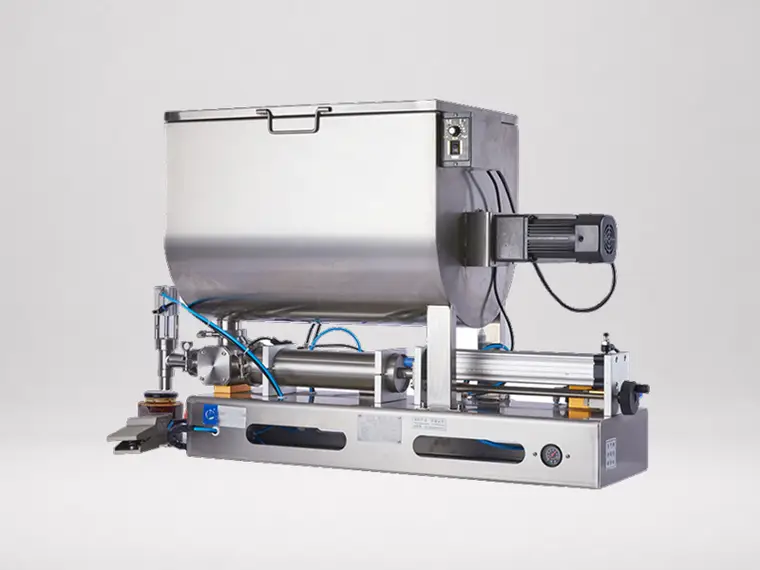
Types of Filling Machines
Different products require different filling technologies. Understanding the available options helps manufacturers select equipment that matches their production requirements.
Gravity Filling Machines
Gravity filling machines rely on the natural force of gravity to transfer product from a holding tank into containers.
This filling method works best for:
* Water
* Juice
* Vinegar
* Alcohol-free beverages
* Thin chemical liquids
Gravity fillers are cost-effective, easy to maintain, and suitable for products with low viscosity.
Piston Filling Machines
Piston fillers use a piston-cylinder mechanism to draw product into a chamber and then dispense it into containers.
These machines are widely used for:
* Sauces
* Honey
* Peanut butter
* Shampoo
* Creams
* Cosmetic products
Piston filling technology offers excellent volumetric accuracy and handles thick products effectively.
Pump Filling Machines
Pump filling systems use rotary, gear, lobe, or peristaltic pumps to move product into containers.
Manufacturers often choose pump fillers for:
* Essential oils
* Detergents
* Pharmaceutical liquids
* Chemical solutions
* Personal care products
Pump filling machines provide flexibility and can accommodate a wide range of viscosities.
Overflow Filling Machines
Overflow fillers create a uniform fill level inside transparent containers.
They are commonly used for:
* Bottled water
* Mouthwash
* Cleaning products
* Cosmetic liquids
Although actual fill volumes may vary slightly, every container appears visually identical on retail shelves.
Powder Filling Machines
Powder filling systems are designed specifically for dry materials.
Common applications include:
* Protein powder
* Flour
* Coffee powder
* Milk powder
* Pharmaceutical powders
Auger filling technology is frequently used to achieve accurate dosing.
Industries That Use Filling Machines
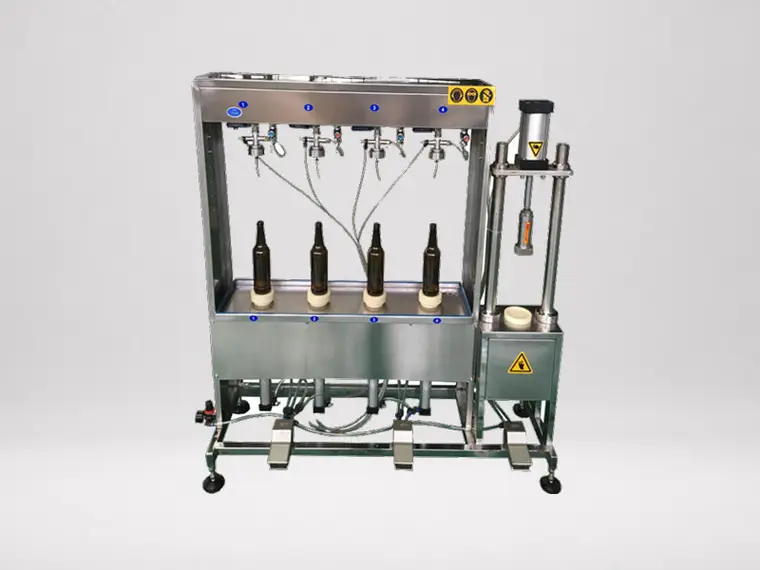
The versatility of filling equipment makes it suitable for numerous industries.
Food and Beverage Industry
Food manufacturers require filling machines that meet strict hygiene and food safety standards.
Applications include:
* Bottled water
* Juice
* Cooking oil
* Sauces
* Dairy products
* Condiments
Stainless steel construction and CIP cleaning systems are often required for food-grade production environments.
Pharmaceutical Industry
Pharmaceutical filling operations demand exceptional precision and contamination control.
Typical products include:
* Syrups
* Oral solutions
* Injectable liquids
* Nutritional supplements
Pharmaceutical filling systems often comply with GMP standards and feature cleanroom-compatible designs.
Cosmetics Industry
Cosmetic products vary greatly in viscosity and packaging styles.
Manufacturers use filling machines for:
* Lotion
* Cream
* Serum
* Shampoo
* Conditioner
* Essential oils
Accurate filling helps maintain brand consistency while minimizing costly product loss.
Chemical Industry
Chemical manufacturers rely on robust filling systems capable of handling corrosive and hazardous materials.
Applications include:
* Industrial cleaners
* Lubricants
* Solvents
* Agricultural chemicals
Special materials and explosion-proof configurations may be necessary depending on the product characteristics.
Key Features to Consider When Choosing a Filling Machine
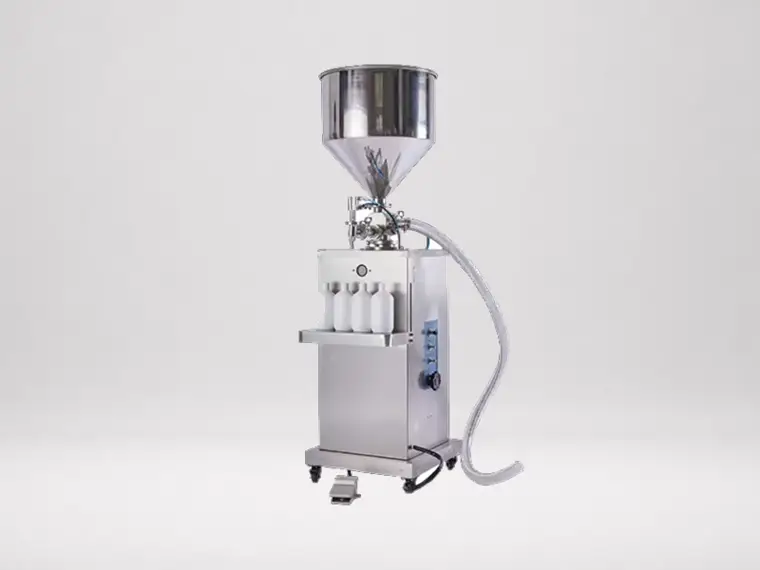
Selecting the right filling machine requires more than simply comparing prices. Manufacturers should evaluate several critical factors before making an investment.
Product Characteristics
The viscosity, density, temperature, and chemical composition of the product directly influence machine selection.
For example, water and syrup require different filling technologies due to their significantly different flow properties.
Container Type
The machine must accommodate the container design, including:
* Plastic bottles
* Glass bottles
* Jars
* Pouches
* Tubes
* Cans
Container dimensions and neck sizes should also be considered.
Production Capacity
Production targets determine the required machine speed.
Common production levels include:
* Small-scale production: 500–2,000 containers per hour
* Medium-scale production: 2,000–8,000 containers per hour
* High-speed production: 10,000+ containers per hour
Choosing equipment that aligns with future growth plans can prevent costly upgrades later.
Filling Accuracy
Accurate filling reduces product giveaway and ensures compliance with labeling regulations.
Modern servo-driven filling systems can achieve accuracy levels of ±0.5% or better, depending on the product.
Automation Level
Businesses can choose from:
* Manual filling machines
* Semi-automatic filling machines
* Fully automatic filling lines
Higher automation generally increases productivity while reducing labor dependency.
Benefits of Investing in an Advanced Filling Machine
A high-quality filling machine delivers measurable business advantages.
Increased Productivity
Automated systems operate continuously and significantly outperform manual filling processes.
Lower Operating Costs
Reduced labor requirements and minimized product waste contribute to lower production expenses.
Improved Product Consistency
Every container receives the correct fill volume, enhancing customer satisfaction and brand reputation.
Enhanced Food and Product Safety
Automated filling minimizes human contact with products, reducing contamination risks.
Faster Return on Investment
Many manufacturers recover their equipment investment through labor savings, higher output, and reduced material losses within a relatively short period.
Emerging Trends in Filling Machine Technology
Packaging automation continues to evolve rapidly.
Several trends are shaping the future of filling equipment:
Smart Manufacturing Integration
Modern filling machines increasingly support Industry 4.0 technologies, enabling real-time monitoring, predictive maintenance, and production analytics.
Servo-Driven Precision Control
Servo systems provide higher accuracy, smoother operation, and greater flexibility than traditional pneumatic systems.
Sustainable Packaging Compatibility
Manufacturers are adapting filling equipment to accommodate recyclable materials, lightweight containers, and eco-friendly packaging solutions.
Remote Diagnostics
Advanced systems allow technicians to diagnose and resolve issues remotely, reducing downtime and maintenance costs.
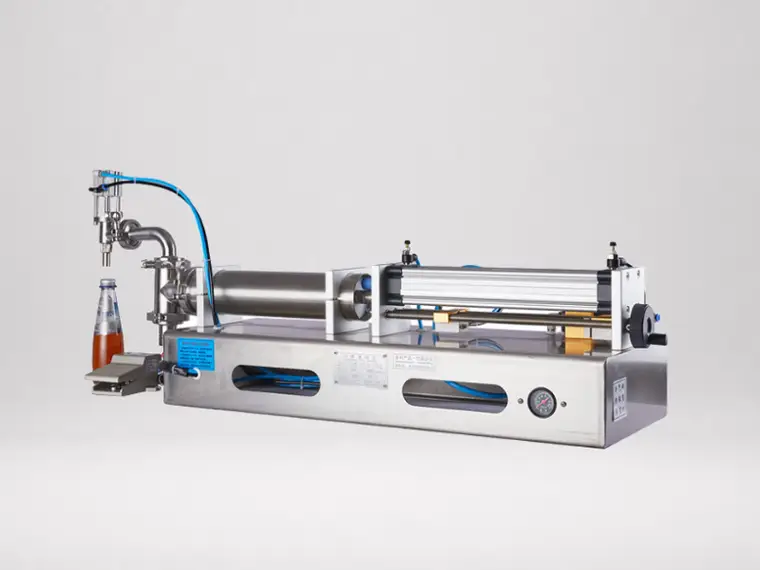
How to Choose the Right Filling Machine Supplier
The quality of the supplier is often just as important as the quality of the machine.
A reliable filling machine manufacturer should provide:
* Customized engineering solutions
* Technical consultation
* Installation support
* Operator training
* Spare parts availability
* Responsive after-sales service
* Long-term technical support
Manufacturers should also evaluate the supplier's industry experience, project portfolio, and ability to support international customers.
Final Thoughts
A filling machine is far more than a piece of packaging equipment. It serves as a strategic investment that directly impacts production efficiency, product quality, operational costs, and customer satisfaction.
As manufacturing environments become increasingly competitive, businesses that adopt advanced filling technologies gain a significant advantage in productivity and scalability. Whether a company produces beverages, pharmaceuticals, cosmetics, food products, or industrial chemicals, selecting the appropriate filling machine can improve profitability while supporting long-term growth.
Organizations that carefully evaluate product characteristics, production requirements, automation goals, and supplier capabilities are more likely to achieve a successful return on investment and maintain a competitive position in their industry for years to come.